
Why Living Ocean’s humpback whale research matters more than ever
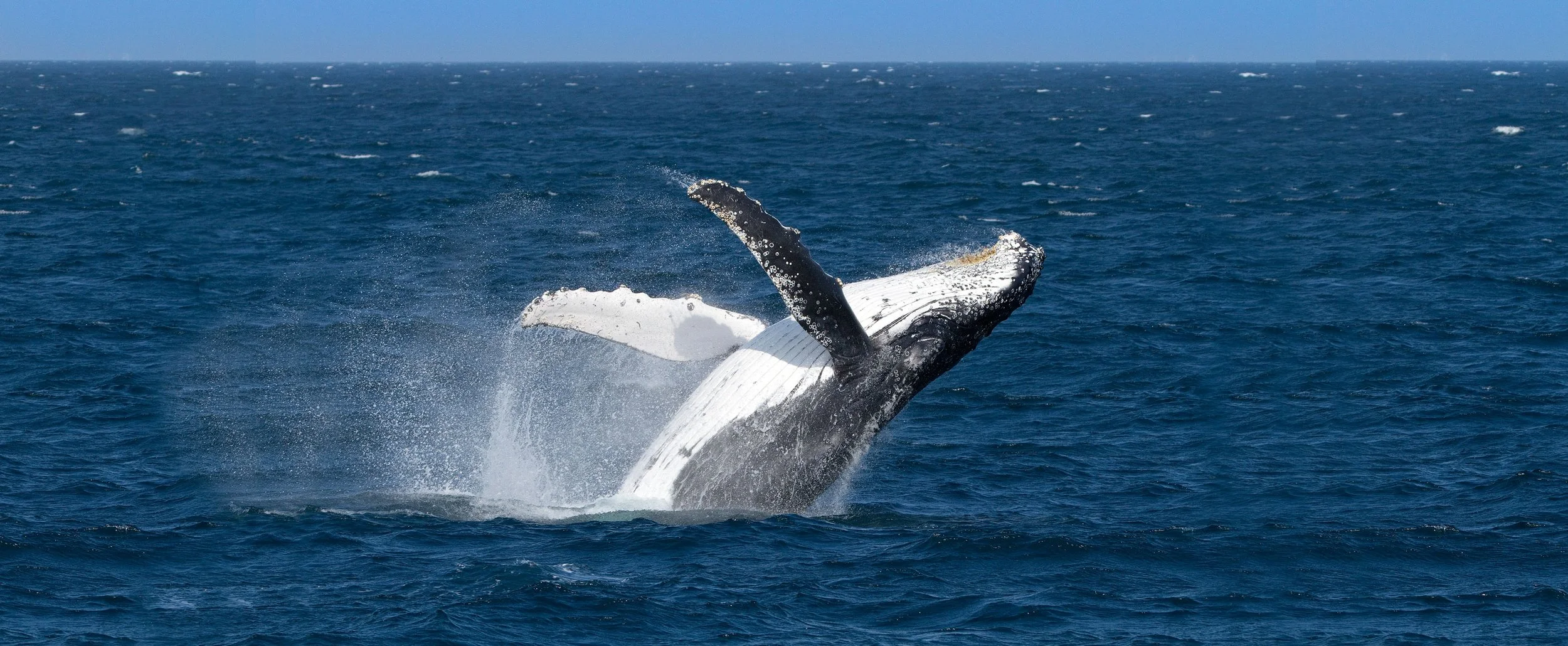
Every year, thousands of humpback whales migrate along Australia’s east coast. Their spectacular breaches and playful interactions capture our attention, but beyond the spectacle, their behaviour can reveal something far more significant about the health of our oceans.
For more than two decades, Living Ocean has been observing these remarkable animals, building a valuable record of how they move, interact and respond to their environment.
As our oceans change, understanding these behaviours is becoming increasingly important.
More than watching whales
Living Ocean’s humpback whale behavioural research began in 2004, originally under the Whale and Seal Foundation.
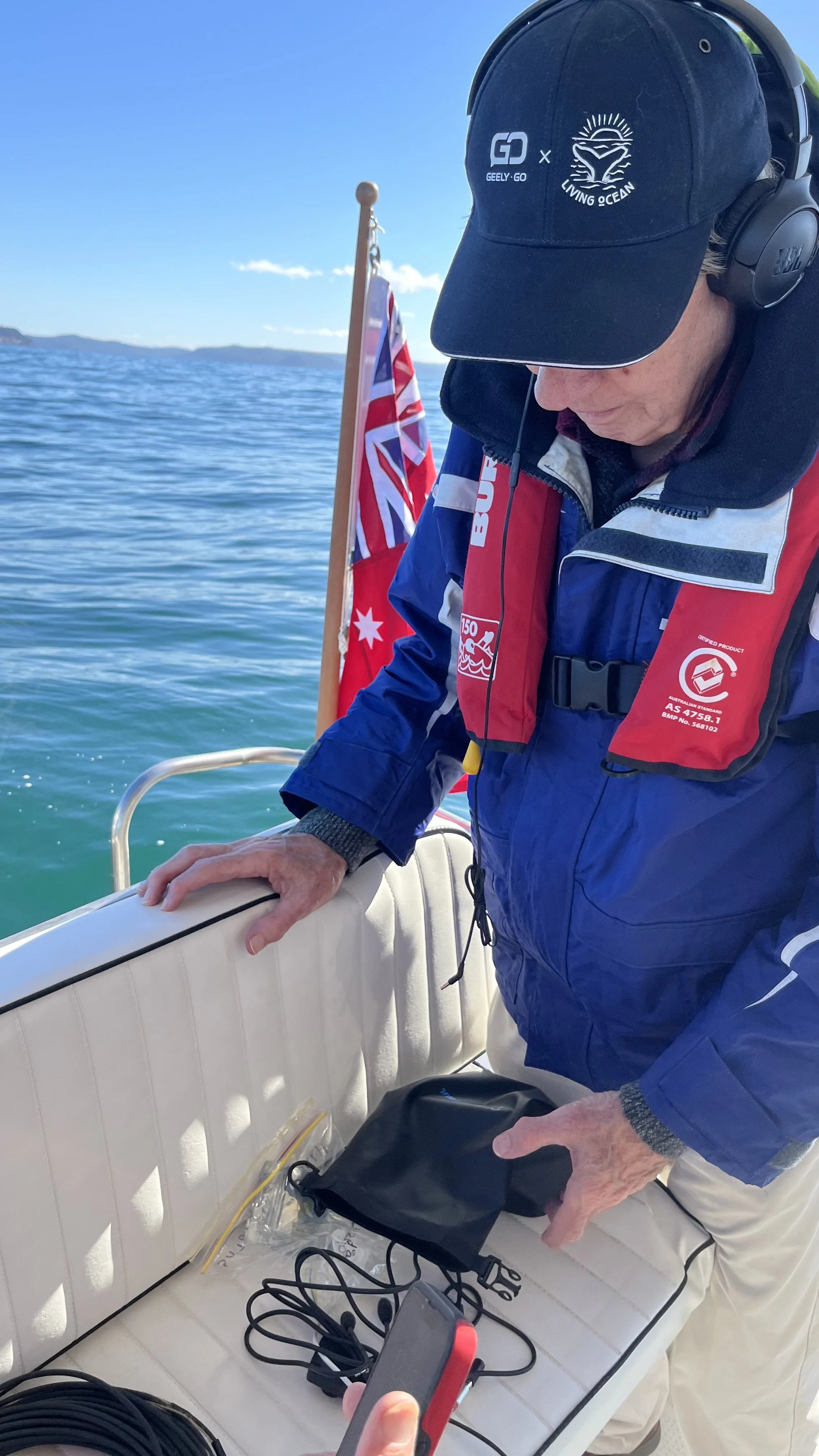
Today, led by Bill Fulton, Living Ocean’s Project Lead - Marine Mammal Research, our researchers and volunteers continue to collect detailed observations during the annual humpback migration along the NSW coast.
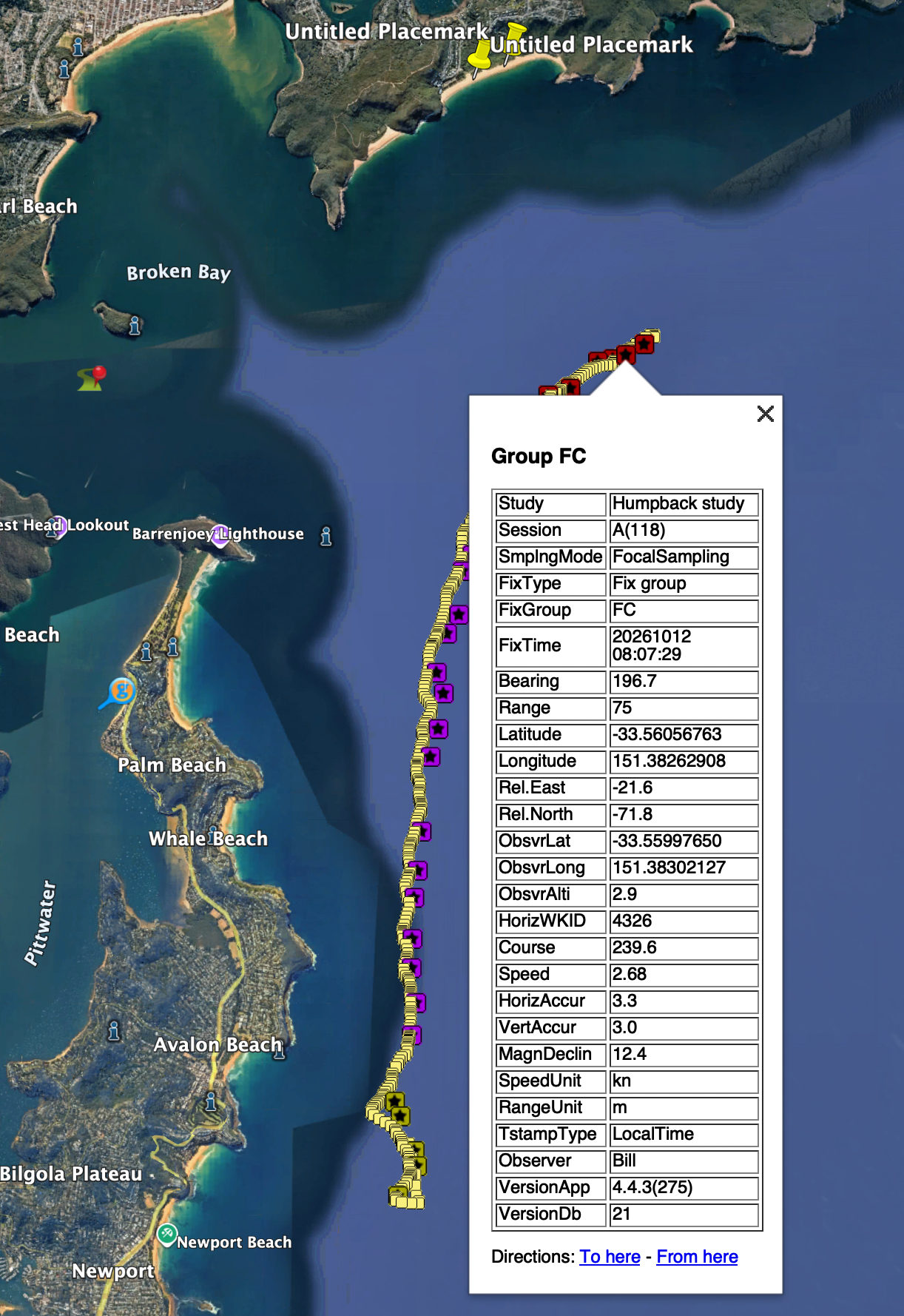
Working from research vessels, the team records whale movements, social interactions, behavioural patterns and the environmental conditions in which they occur.
This research goes beyond counting whales. It seeks to understand what they are doing, why they might be doing it and how their behaviour relates to the marine environment.
Over time, these observations create a valuable scientific record, helping researchers investigate patterns and identify changes that might otherwise go unnoticed.
Local research, global significance
Living Ocean has contributed research data to the international Whales & Climate Research Program for many years, becoming a full member of the collaboration in 2019.
Led by Dr Jan-Olaf Meynecke at Griffith University, the program brings together researchers from seven universities, the Smithsonian Institution and more than 40 contributing partners worldwide.
Together, they are investigating how changing ocean conditions influence humpback whale populations, generating scientific knowledge to inform future conservation strategies and policies.
Living Ocean’s behavioural observations from Australia’s east coast contribute to this international effort, providing field data that can be examined alongside research from other regions.
Across the program, scientists are investigating how ocean currents influence whale distribution, how environmental conditions affect migration and how changing marine ecosystems may shape whale behaviour.
Research has explored humpback whale habitat use, the influence of the East Australian Current on whale distribution and the migration patterns of mothers and calves.
The scale of this collaboration is significant, with 165,000 whale sightings recorded and more than 60 scientific publications listed across the international program.
It’s an important reminder that research conducted by a community-based organisation on Sydney’s Northern Beaches can contribute to scientific understanding on a global scale.
Every observation adds to the picture
As we prepare for the 2027 research season, Living Ocean will be building on an extraordinary record of humpback whale research:
100 research voyages undertaken.
400 whale pods observed.
750 individual whales studied.
Behind these figures are countless hours of preparation, fieldwork and careful data collection.
Each new voyage adds to this growing scientific record, helping researchers investigate patterns and better understand how whale behaviour relates to environmental conditions.
A single season provides a snapshot. Decades of observations provide the opportunity to understand change.
And every new season adds another chapter to that story.
Help us continue the research in 2027
Rising ocean temperatures, shifting currents and changes in marine ecosystems are influencing the environments in which whales live and migrate.
Understanding how humpback whales respond requires consistent, long-term scientific observation.
Living Ocean is committed to continuing this work, contributing to international research and building the knowledge needed to better understand and protect our marine environment.
But research at sea requires resources. Vessels, equipment, fuel and fieldwork logistics all come at a cost.
We need to raise a minimum of $15,000 to support our 2027 humpback whale behavioural research season.
We’re inviting businesses, organisations and individuals to support this important work through corporate sponsorship or individual donations.
Every contribution helps sustain a valuable scientific program, ensuring observations continue and the dataset grows.
The whales will return in 2027. With your support, we’ll be there to study them.
Interested in becoming a corporate sponsor? Contact us at info@livingocean.org.au to discuss sponsorship opportunities.