

The world’s oceans cover over 70% of the planet, yet nearly two-thirds of this vast expanse, known as the high seas, lies beyond national jurisdiction. For decades, these waters have been a global commons, vital for biodiversity, climate regulation, and the livelihoods of millions, but largely unprotected. That’s now beginning to change.
With the High Seas Treaty, formally known as the Biodiversity Beyond National Jurisdiction (BBNJ) Agreement, coming into effect, the international community has established a framework to safeguard marine life in areas beyond national boundaries. The treaty sets out rules for conservation, sustainable use, environmental impact assessments, and the creation of marine protected areas, marking a historic step for ocean protection.
Why this matters for Australia
Australia has one of the world’s largest maritime zones, including vast areas of the high seas in the Southern Ocean and the Pacific. The treaty provides a unique opportunity to strengthen marine conservation and science, enabling Australia to:
Support high seas marine science: Enhanced protections mean more coordinated research, monitoring, and data collection in international waters. For organisations like Living Ocean, this is an opportunity to contribute our research on marine ecosystems, seabirds, and fisheries, helping fill critical knowledge gaps.
Establish Marine Protected Areas (MPAs): Protecting vulnerable species and habitats ensures the resilience of the ocean ecosystems that Australians rely on for both food and recreation.
Promote sustainable use: By assessing and regulating human activities such as deep-sea mining and high seas fishing, we can safeguard the ocean for future generations.
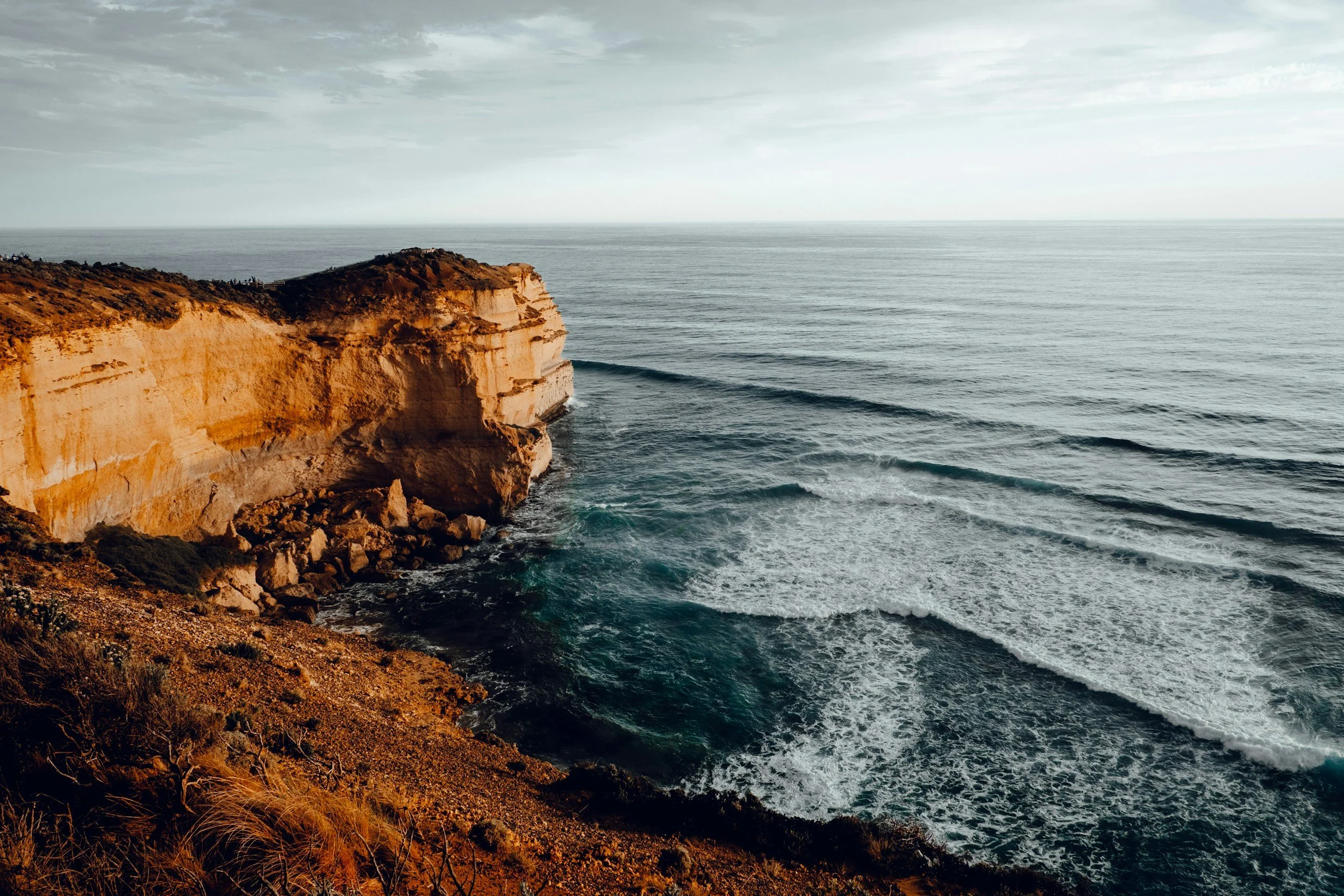
Living Ocean and the power of local action
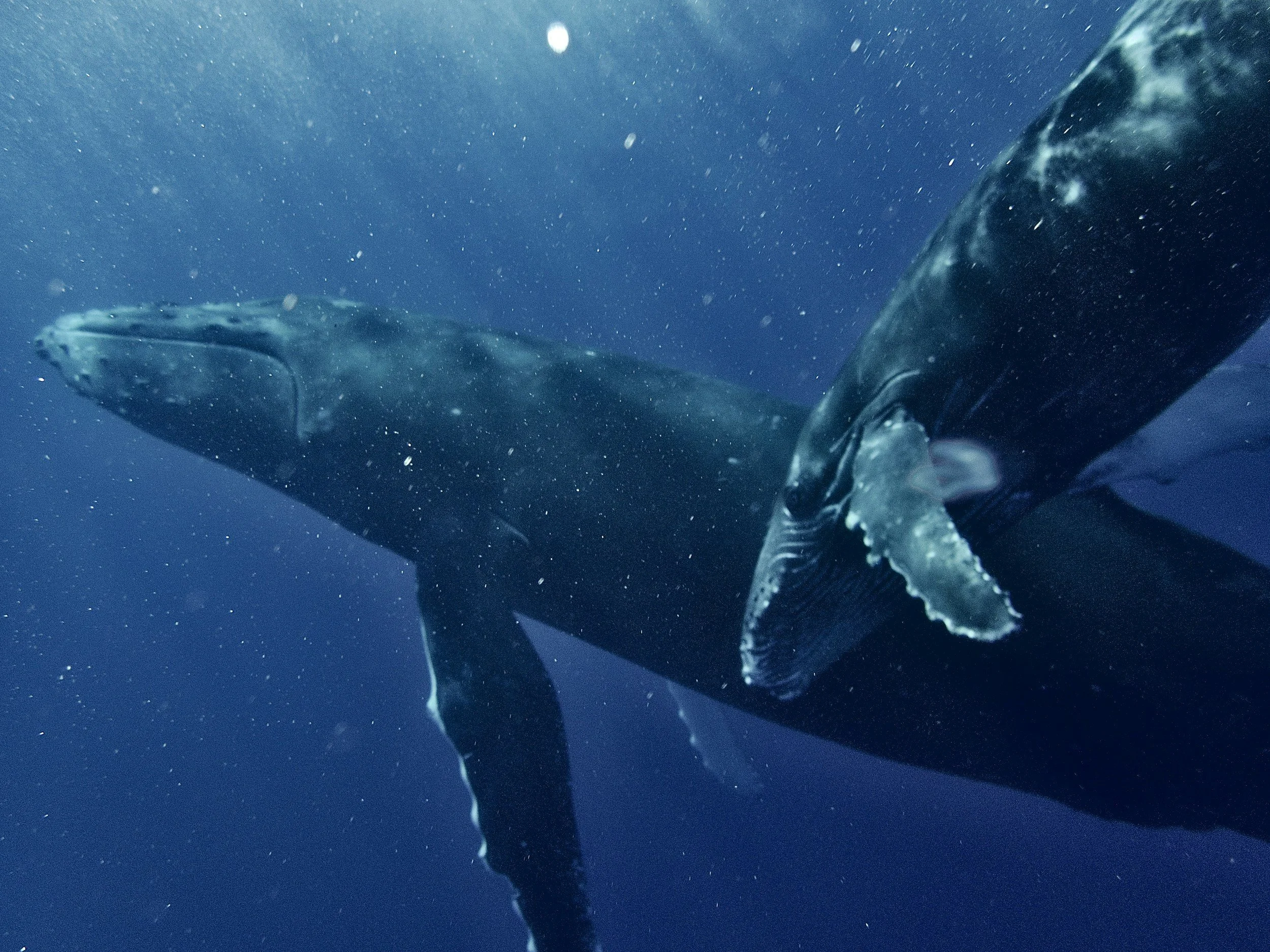
At Living Ocean, our work focuses on protecting marine life along Australia’s coastlines, from monitoring seabird populations to conducting research on humpback whales. Our science helps inform conservation efforts and provides critical insights into the health of our oceans. The High Seas Treaty amplifies this work by connecting local marine research to a global framework for ocean protection.
You can support this vital work and help protect our oceans by donating to Living Ocean. Every contribution helps fund research, conservation initiatives, and advocacy for the marine environment we all depend on.
A Global Commitment with Local Impact
The treaty is not just an international agreement. It’s a milestone for Australia’s oceans. It recognises that protecting the high seas is critical for biodiversity, climate stability, and the communities that rely on marine ecosystems. For Australians, this is a call to continue investing in marine science, advocacy, and conservation at every level, from our coastal waters to the far reaches of the high seas.
The High Seas Treaty reminds us that our oceans are interconnected and that protecting them is a shared responsibility. By combining global governance with local science and action, we can ensure healthy, thriving oceans for generations to come.